Last updated: 22 September 2026
The honest range:
On most Western Oregon roofs, professional moss removal with treatment keeps the roof clear for one to three years. A shaded, north-facing slope under firs sits at the short end. An open, sunny roof with clean gutters sits at the long end. That is a typical result, not a guarantee, because the conditions that grew the moss are still there after we leave.
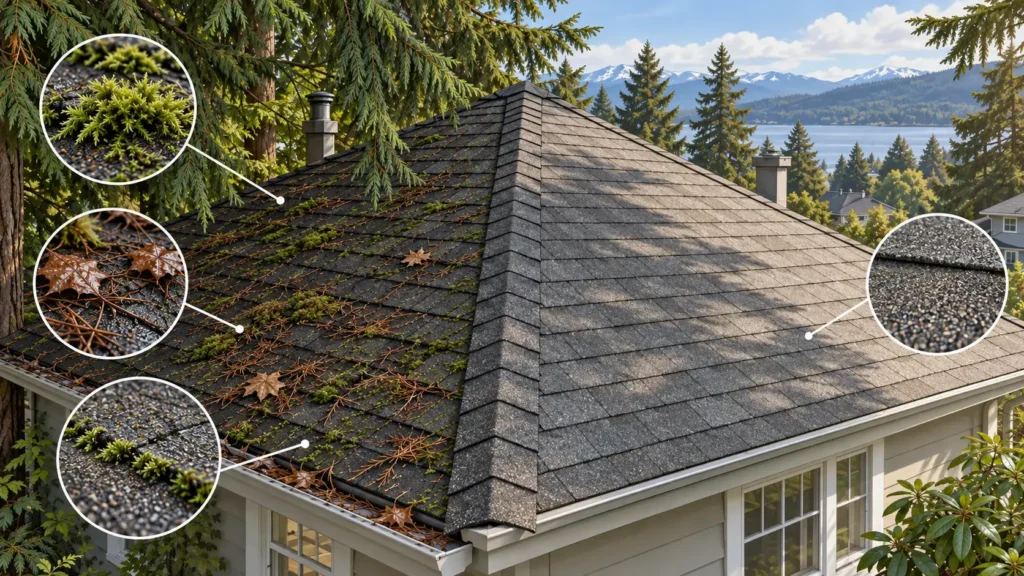
Nobody can promise a number of years, because moss does not come back on a schedule. It comes back when a roof stays damp and shaded long enough for spores to settle. This guide shows what to expect after treatment, the seven factors that decide how long your roof stays clear, and a quick way to score your own roof.
What Happens After Moss Treatment: A Timeline
Moss removal is not a single moment. Here is what a typical soft wash and treatment looks like over the following months.
| When | What you should see | What is happening |
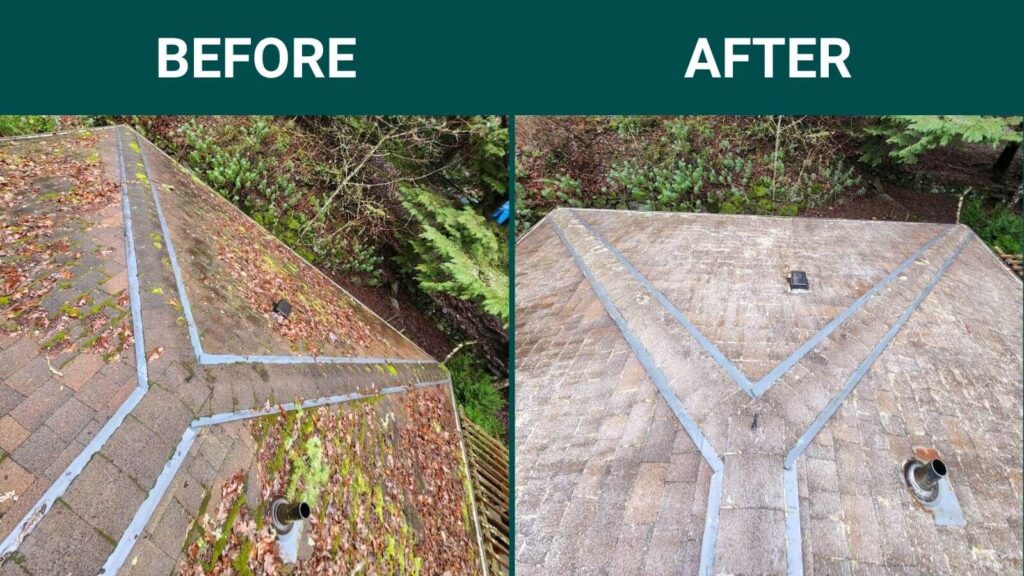
| Day of treatment | Thick mats gone, some brown or patchy growth left | Loose moss is removed by hand, and the whole roof is treated so the solution reaches the roots |
| First 2 to 6 weeks | Remaining growth turns brown and starts to loosen | Treated moss and lichen are dead but still attached. Rain releases them gradually |
| Months 2 to 4 | Roof looks clean; some debris in the gutters | Dead growth washes off. This material often ends up in the gutters |
| Year 1 | Clean on sunny slopes; first green tinge possible in shaded corners | Shaded, damp spots are where spores settle first |
| Years 2 to 3 | Light regrowth on north-facing or shaded areas on many roofs | A good time to have the roof checked and retreated before moss thickens |
Why the roof does not look perfect on day one: scraping or blasting off every scrap of moss strips the protective granules from the shingles. We treat what is left and let it release on its own. The Asphalt Roofing Manufacturers Association says plainly that a pressure washer should never be used on an asphalt shingle roof because it causes granule loss and “very likely premature failure of the roof system”.
Score Your Roof: The Seven Factors
Give your roof one point for each statement that is true. The higher the score, the longer moss removal is likely to last.
1. Shade and Sunlight
One point if most of the roof gets direct sun for a good part of the day.
Sun is the factor that matters most. Moss needs a surface that stays damp, and a roof that dries between showers is a poor place for it. Oregon State University Extension plant pathologist Jay Pscheidt puts it simply: “You’ve got to let the sun in or it will return” (OSU Newsroom). North-facing slopes are almost always the first to turn green again.
2. Nearby Trees and Falling Debris
One point if no branches hang over the roof.
Trees do two things: they shade the roof, and they drop needles and leaves that hold moisture. OSU notes that moss “traps soil and debris, which retain water and keep the roof wet for a longer period of time.” Trimming overhanging branches is one of the few changes that genuinely extends results, but check with your city first, because some tree removal and pruning in Portland needs a permit.
3. Roof Material and Condition
One point if the roof is in good condition with most of its granules intact.
Worn composition shingles with granule loss have a rougher, more absorbent surface, and moss re-establishes faster. Cedar shakes hold moisture and regrow quickly too. Metal roofs resist moss much better.
4. How Much Moss There Was
One point if the moss was light or patchy before treatment.
Thick mats that have been growing for years have usually lifted shingle edges and packed debris into the joints, which leaves more places for spores to settle. ARMA notes that moss “can cause the leading edges of the shingles to lift or curl”. A first treatment on heavy moss often needs a follow-up sooner than a roof that was cleaned early.
5. Treatment Method and Application
One point if the whole roof was treated, not just the visible patches, using a low-pressure soft wash.
A treatment that only knocks off the visible moss leaves live roots and spores behind. Treating the full roof plane and giving the solution time to work is what decides how long the result holds. Read what soft wash roof cleaning involves for how the method works.
6. Debris Management After Treatment
One point if the gutters and roof valleys are kept clear.
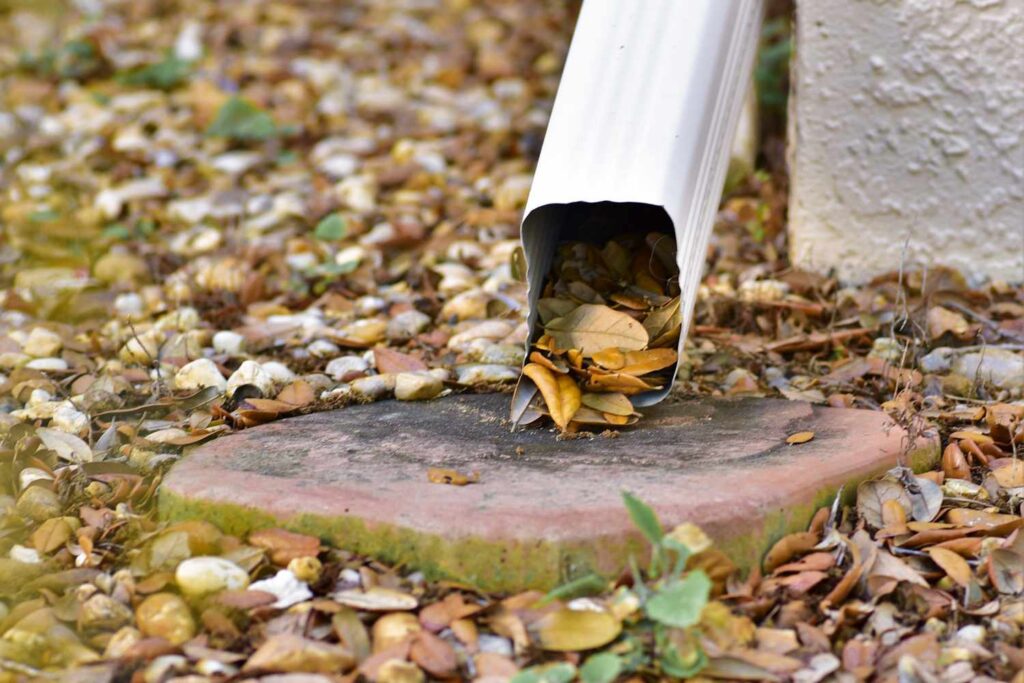
Needles and leaves that pile up in valleys and along the gutter line hold water against the lowest shingle courses, and moss often restarts there. Clearing debris once or twice a year keeps those spots dry. See our guide to gutter cleaning for how often that usually needs to happen.
7. Inspection and Follow-Up
One point if the roof is checked every year and touched up at the first sign of regrowth.
Light regrowth is quick and inexpensive to treat. Moss left for another two or three winters goes back to being a full cleaning job.
What Your Score Means
| Score | What to expect |
| 6 to 7 | Toward the long end of the range, around three years. Check yearly |
| 3 to 5 | Around two years, with shaded corners regrowing first |
| 0 to 2 | Toward the short end, a year or a little more. Plan an annual check and touch-up |
This scorecard is a rule of thumb based on the factors above, not a measured prediction.
Not sure where your roof sits? Send us a few photos of the roof, especially the north side, and we will tell you what we see and what it would take to clear it. Request a roof assessment.
What About Zinc Strips?
Zinc strips come up in almost every conversation about moss, and advice on them is mixed, so it is worth knowing both sides.
- The case for them: zinc strips fitted along the ridge are widely sold to discourage moss. Each rain washes a little zinc down the roof, which moss does not tolerate well.
- The case against, on an existing roof: the Asphalt Roofing Manufacturers Association does not recommend adding zinc or copper strips to an existing roof, because fitting them means exposed nails, which can leak over time, or breaking the shingles’ sealant bond (ARMA).
Our view: strips are best considered when a roof is new or being replaced, when they can be installed properly. On an existing roof, sunlight, clean gutters and yearly checks do more with less risk.
An Aftercare Calendar for Western Oregon
| When | What to do |
| Late spring | Look at the roof from the ground, especially north slopes. Note any green |
| Summer | Trim branches back from the roof while trees are easy to work on |
| Fall, after leaf drop | Clear gutters and valleys before the heavy rain |
| Every 12 months | Have the roof checked, and touch up light regrowth |
Keep off the roof yourself. Wet or mossy roofs are slippery, and walking on them damages shingles.
Roof Moss Removal Questions
Does moss disappear immediately after treatment?
No. Thick moss is removed on the day, but the remaining growth is treated and left to die off. It usually turns brown within a few weeks and washes away with rain over the following months. Scraping every trace off on the day would strip granules from the shingles.
How long does roof moss removal last in Oregon?
On most Western Oregon roofs, professional moss removal with a full-roof treatment keeps the roof clear for about one to three years. Shaded, north-facing roofs under trees are at the short end, and sunny roofs with clean gutters are at the long end.
How often should I remove moss from my roof?
Most Oregon homeowners need a full moss removal every two to three years, with a yearly check in between. Catching light regrowth early is quicker and cheaper than removing thick moss again, and it avoids the shingle lifting that established moss causes.
What is the best time of year to remove moss from a roof?
Moss removal is usually done in dry spells from late spring to early fall, when the roof can be worked on safely and the treatment has time to act before heavy rain. Treating before winter means dead moss washes off during the wet months.
Is it worth cleaning moss off a roof?
Yes, if the moss is thickening. According to the Asphalt Roofing Manufacturers Association, moss can lift or curl the leading edges of shingles and let water move sideways under them. Algae streaks are mostly cosmetic, but established moss causes damage.
Keep the Roof Clear for Longer
The biggest difference between a roof that stays clear for one year and one that stays clear for three is what happens after the cleaning: sun, clean gutters and a yearly look. We can take care of all three with soft wash roof cleaning and follow-up roof moss removal and treatment.
Request an assessment and we will tell you honestly how long you can expect your roof to stay clear.