Hard Surfaces At Ground Level
Moss Removal for Driveways, Patios & Walkways
For the green strip down the driveway, the slick side path and the patio joints. Killed through the root rather than rinsed off the top.
- Regrowth Warranty
- Plant Safe Solutions
- Concrete, Pavers, Brick, Stone
The Short Version
Roof moss is priced inside a roof clean rather than sold separately, so this page is about everything at ground level. That is where moss stops being a cosmetic problem and starts being a grip problem.
Scraping Buys You One Season
Take a stiff brush to a mossy path and it looks transformed by lunchtime. The trouble is that the visible mat is only the top of it. The anchoring structure sits down in the pores of the concrete and in the joints between pavers, and a brush reaches none of it.
So it rebuilds from exactly where it was, usually before the next winter. That is the cycle a lot of people are stuck in without knowing there is an alternative.
Treating means applying something that kills it through the root, then giving it the time to work. The dead growth comes away with far less force afterwards, which matters enormously on jointed paving and older brick where pressure would strip the jointing sand out.
Treated surfaces carry a limited regrowth warranty. We will explain the window that applies to your property before you book rather than after.
What Is Included
Surfaces We Treat
| Driveways | Including the unused centre strip and the shaded edges, which always go first. |
|---|---|
| Walkways and side paths | The highest priority on most properties, because this is where somebody slips. |
| Patios and pavers | Growth lives in the joints rather than on the faces. Treated and lifted gently so the jointing stays put. |
| Steps and entryways | Highest risk of the lot, since you are already changing height when you lose grip. |
| Brick and stone | Older material holds moss in the joints and the softened face. Method matched to the surface. |
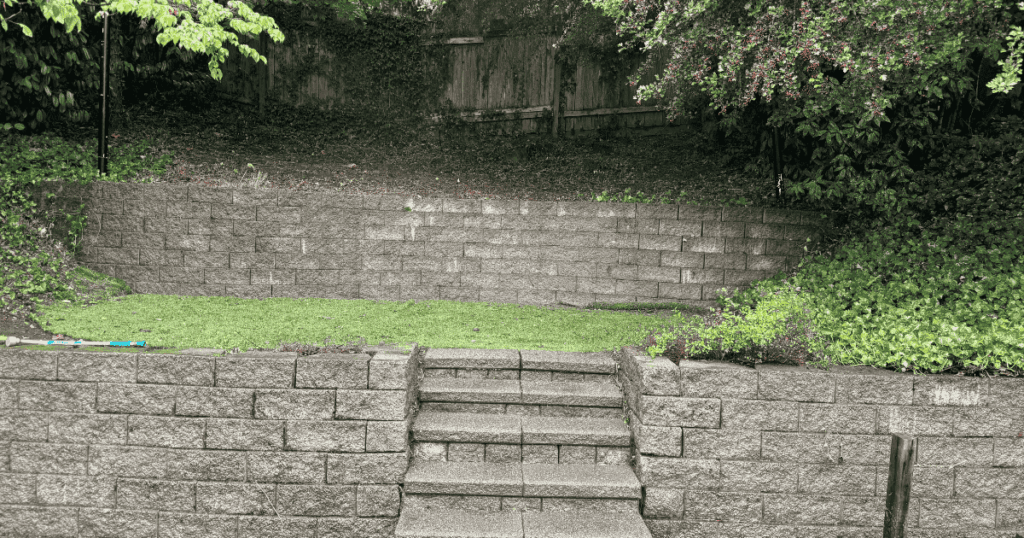
| Retaining walls | Porous, usually permanently shaded on one side, and they green over completely without treatment. |
Worth Knowing
Timing It Right
Season makes a real difference to how long a treatment holds.
- Spring is the best window. Treating as growth becomes active, then heading into the driest months, gives the surface a genuine break.
- Autumn is the practical choice if paths are already slippery and you want them safe before the wet season.
- Midwinter works, but be realistic. Treating a surface that never dries out gives the solution a harder job and the result will not run as long.
Moss on the roof is already covered inside roof cleaning rather than charged on top. Once the growth is dead, pressure washing takes the staining with it.
Reviews
What Customers Say About The Treatment
Where We Work
Moss Removal Across Oregon And SW Washington
Each town has its own page covering the conditions we actually see there.
Common Questions
Moss Removal Questions
Is roof moss included in this?
No, and that is good news. Roof moss treatment sits inside a roof clean rather than being billed separately. This service covers ground level surfaces.
Why does mine keep coming back?
Almost certainly because it was scraped or blasted rather than treated. The anchoring structure survives in the concrete pores and rebuilds from there.
Will it damage my pavers?
No. What damages paver work is high pressure blowing the jointing sand out. Killing the growth first means far less force is needed.
Is it safe around pets and planting?
Yes. Plant safe solutions, with beds wetted down first. Keep pets off treated hardscape until it has dried.
How long does treatment last?
Typically a year on hardscape, longer on surfaces with reasonable sun and airflow. Treated areas carry a limited regrowth warranty.
Can you treat a slippery step?
Yes, and it is one of the more useful things we do. Slick treads are the most common cause of falls at home through an Oregon winter.
Send A Photo Of The Worst Surface
It takes about a minute to tell you what it needs and what it does not.