
Quick answer: Why is my siding turning green?
Siding turns green because algae is growing on it. In Oregon, airborne algae spores settle on siding and thrive when a wall stays damp, shaded, and coated in dirt or pollen. North-facing walls, clogged gutters, sprinklers, nearby trees, and poor airflow are the most common causes. Soft washing removes it, and fixing the moisture source keeps it away.
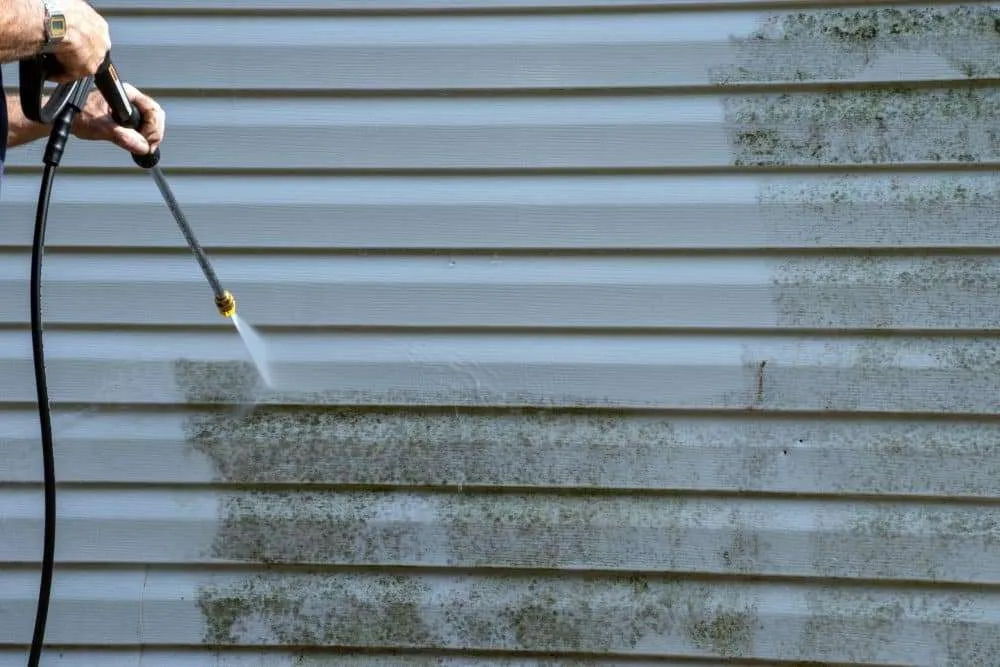
If the north side of your house has a green film that smears on your fingers, you are not alone. In western Oregon, green siding is one of the most common exterior problems homeowners notice, and it almost always comes down to one thing: moisture that sticks around long enough for algae to grow.
Below, we break down the 18 most common reasons siding turns green in Oregon, how to tell algae from mold or moss, how to remove it safely, and what actually keeps it from coming back.
Table of Contents
What Is the Green Stuff on My Siding?
The green film on most Oregon siding is green algae, a simple, plant-like organism that makes its own food from sunlight. Its spores travel on wind, rain, birds, and insects, so every house is exposed to them.
Algae does not need to eat your siding. It needs three things: moisture, some light, and a thin layer of dirt, pollen, or organic debris to cling to. It usually looks powdery or slightly slimy and leaves a green smear when you rub it with a finger.
Why Oregon Homes Turn Green So Easily
Western Oregon is close to ideal for algae. Portland averages roughly 36 inches of rain a year, and most of it falls between October and May, when cool temperatures and short days slow evaporation. Coastal towns such as Astoria get close to twice that amount.
Communities along the Columbia River, including St. Helens and Scappoose, also deal with frequent fog and heavy morning dew. The result is siding that can stay damp for much of the year, especially on shaded walls.
18 Reasons Your Siding Is Turning Green
Most homes have more than one of these causes at work. Use the list below to find the ones that apply to your house.
1. Oregon’s Long, Wet Season
Western Oregon stays damp for most of the year, and algae grows fastest on surfaces that never fully dry. From roughly October through May, frequent rain, low clouds, and cool temperatures keep siding wet for days or weeks at a time. That steady moisture is the number one reason Oregon homes turn green faster than homes in drier states.
Fix: You cannot change the weather, but you can plan around it. Schedule house washing in the drier months so siding starts the rainy season clean.
2. North-Facing Walls Never Get Direct Sun
If only one side of your house is green, it is almost always the north side. In Oregon, north-facing walls get little or no direct sunlight during the fall and winter, so rain and morning dew linger for hours longer than on sunny walls. Less sun means less drying and more algae.
Fix: Give north walls extra attention. Many homeowners wash that side every year even if the rest of the house can wait longer.
3. Shade from Trees, Fences, and Neighboring Homes
Douglas firs, maples, tall hedges, and nearby houses all block the sun and wind that dry your siding. Any wall that sits in shade most of the day behaves like a north-facing wall, even if it faces south.
Fix: Selectively trim or thin trees and shrubs to let more light and air reach the siding. For large trees, hire a certified arborist.
4. Overhanging Branches Drip Water and Debris
Branches that hang over your roof or brush against your walls drop needles, leaves, sap, and pollen, then keep dripping water long after the rain stops. That debris becomes food and a moisture sponge for algae.
Fix: Keep branches trimmed back several feet from the roofline and siding.
5. Clogged or Overflowing Gutters
When gutters fill with fir needles, leaves, or roof moss, rainwater spills over the edge and runs straight down your siding. Those vertical green streaks under a gutter line are a classic sign of overflow.
Fix: Clean gutters at least once a year, and more often if you have evergreens nearby. Check for sagging sections and leaking seams too.
6. Downspouts Dumping Water Next to the House
Downspouts that end right at the foundation, or have no extension at all, splash water back onto the lower courses of siding every time it rains. The result is a green band along the bottom few feet of the wall.
Fix: Add downspout extensions or splash blocks that carry water away from the house, and make sure the ground slopes away from the foundation.
7. Sprinklers Hitting the Siding
Lawn and garden sprinklers that spray the house add moisture during the few dry months Oregon gets. Irrigation water can also leave mineral deposits that give algae a rougher surface to grab onto.
Fix: Adjust sprinkler heads so they water the plants, not the walls, and water early in the day so surfaces dry quickly.
8. Shrubs and Plants Too Close to the Walls
Foundation plantings pressed against the siding trap humidity, block airflow, and hold rainwater against the surface. Walls behind dense shrubs are often the greenest spots on the house.
Fix: Keep plants trimmed so there is a gap of at least a foot or two between foliage and siding. When replanting, set new shrubs farther from the wall.
9. Siding Sits Too Close to Soil or Mulch
When the bottom edge of the siding is close to the ground, rain splashes soil and mulch onto it, and the wall wicks up moisture from damp beds. That mix of dirt and water is an easy starting point for algae.
Fix: Pull mulch and soil back from the siding, keep beds below the siding line, and consider a gravel strip along the foundation to reduce splash.
Tired of Looking at Green Siding? NJM Roof & Gutter Cleaning soft washes Oregon homes to remove algae, mold, and grime without damaging your siding.
10. Poor Airflow in Tight Side Yards
Narrow side yards between houses, common in newer Oregon subdivisions, create shaded, still-air corridors where walls stay wet far longer than the front or back of the home.
Fix: Keep these corridors clear of stored items, firewood, and overgrown plants so air can move freely.
11. Pollen, Dust, and Road Grime Feed the Growth
Algae does not eat vinyl or painted siding. It lives on the thin film of pollen, dust, and grime that settles on it. The Willamette Valley is known for heavy spring pollen, and homes near busy or gravel roads collect extra dust. The dirtier the surface, the faster algae takes hold.
Fix: Rinse or wash siding regularly to remove that food source before algae can use it.
12. Textured Siding Holds More Moisture
Rough-sawn cedar, T1-11 panels, stucco, and textured fiber cement have tiny ridges and pores that trap water and dirt. Smooth surfaces shed water faster, so textured siding tends to green up sooner.
Fix: Textured siding benefits from low-pressure soft washing, which reaches into the texture without damaging it.
13. Vinyl Siding Laps Catch Water and Debris
The overlapping horizontal seams on vinyl and lap siding create small ledges. Water, pollen, and dirt collect along the bottom edge of each lap, which is why algae often shows up as horizontal green lines.
Fix: Wash vinyl gently from the bottom up and rinse from the top down. Never aim high-pressure water upward into the laps, which can push water behind the siding.
14. Aging, Chalky, or Porous Paint
As exterior paint ages in the Oregon weather, it can break down into a chalky, porous surface that absorbs water instead of shedding it. Weathered wood and faded paint give algae more to hold onto.
Fix: If a white residue rubs off on your hand, the paint may be chalking. A proper cleaning followed by repainting with a quality exterior coating can help. Ask your painter about mildew-resistant products.
15. Missing Kickout Flashing and Roof Runoff
Where a lower roof meets a wall, a small piece of flashing called a kickout diverts water into the gutter. Without it, roof runoff pours down the side of the house, leaving a green (and sometimes rotting) streak below the roof edge.
Fix: Have a roofer or siding contractor check roof-to-wall intersections and install kickout flashing where it is missing.
16. Living Near the Columbia River, the Coast, or Wetlands
Homes near rivers, sloughs, lakes, and the coast see more fog, dew, and humidity. In Columbia County communities along the Columbia River, morning fog can keep siding damp well into the day, even when it is not raining.
Fix: Plan on more frequent washing if you live near water, and focus on the walls that face the river or stay shaded.
17. Algae and Moss Spreading from Nearby Surfaces
Algae spores travel easily on wind, rain, birds, and insects. A mossy roof, a green fence, or algae-covered trees next to your house are a steady source of new growth, and rain can wash roof moss debris straight onto the walls below.
Fix: Treat the whole property, not just one wall. Cleaning the roof, gutters, and siding together helps slow reinfestation.
18. No Regular Cleaning Schedule (or the Wrong Method)
Algae spreads steadily when it is left alone for years, and the longer it grows the harder it is to remove. Blasting it with a pressure washer alone often removes the visible green but leaves living growth behind, so it returns quickly.
Fix: Set a regular house washing schedule and use a soft washing approach that kills the algae instead of just knocking it off the surface.
Algae vs. Mold vs. Moss vs. Lichen: How to Tell
Not every growth on siding is algae. This comparison helps you identify what you are looking at before you clean it.
| Growth | Typical color | Texture | Where it shows up | Concern level |
|---|---|---|---|---|
| Green algae | Bright to olive green | Powdery or slimy film, wipes off | Shaded walls, under gutters, lower siding | Mostly cosmetic, holds moisture |
| Mold / mildew | Black, gray, or dark brown | Fuzzy or speckled spots | Damp, shaded areas, under eaves | Cosmetic outside; keep it from spreading |
| Moss | Deep green | Soft, raised, cushion-like clumps | Roofs, very shaded lower walls, wood | Can hold water against wood and trim |
| Lichen | Gray-green, yellow, or orange | Crusty, flat, firmly attached | Older wood, roofs, fences | Hard to remove; can mark surfaces |
Quick Diagnosis: Where the Green Shows Up
The pattern of the growth often points straight to the cause.
| Where you see green | Most likely cause | First fix to try |
|---|---|---|
| One whole side of the house | North-facing or heavily shaded wall | Trim shade sources and wash that side more often |
| Vertical streaks below the roofline | Gutter overflow or missing kickout flashing | Clean and repair gutters; check flashing |
| A band along the bottom of the wall | Splashback from downspouts, soil, or mulch | Extend downspouts and pull beds away from siding |
| Patches behind shrubs | Trapped humidity and no airflow | Trim plants back from the wall |
| Arcs or blotches at sprinkler height | Irrigation spray | Redirect sprinkler heads |
| Horizontal lines along each lap | Water and dirt collecting on siding ledges | Soft wash the siding |
| Green on the side facing trees or the river | Shade, debris, fog, and humidity | Trim branches and schedule regular washing |
Is Green Algae on Siding Harmful?
Green algae is mostly a cosmetic problem, but it is a sign that moisture is sitting on your home. Left alone, it can cause real headaches:
- It holds water against the surface, which is hard on paint, caulk, and wood trim.
- It can stain lighter siding and become harder to remove the longer it grows.
- It makes steps, decks, and walkways slippery when it spreads to them.
- It lowers curb appeal, which matters if you plan to sell or have HOA rules.
If you see soft wood, peeling paint, or staining inside the home near a green wall, have the area inspected, since the moisture source may be causing hidden damage.
How to Remove Green Algae from Siding Safely
The safest, longest-lasting way to remove green algae from siding is soft washing. Soft washing applies a diluted cleaning solution at low pressure, lets it sit long enough to kill the algae, then rinses it away gently. High-pressure blasting alone can remove the visible green while leaving living growth behind, and it can damage siding.
DIY Steps for Small, Ground-Level Areas
- Check your siding manufacturer’s care instructions first. Vinyl, fiber cement, wood, and stucco each have different recommendations.
- Wet nearby plants and cover delicate ones to protect them from cleaning solution.
- Mix a siding-safe cleaner. Use a store-bought house wash product, or a diluted household bleach solution with a little dish soap, following label directions. Never mix bleach with ammonia or other cleaners.
- Apply from the bottom up with a garden sprayer or soft-bristle brush on an extension pole. This helps prevent streaking.
- Let it dwell for a few minutes, but do not let it dry on the siding.
- Rinse from the top down with a regular garden hose.
- Rinse your plants again when you are done.
Wear eye protection and gloves. For second-story walls, heavy growth, or older and delicate siding, it is safer to hire a professional than to work from a ladder with chemicals.
Why Pressure Washing Alone Is Not the Answer
High-pressure water aimed upward can push water behind vinyl laps and into wall cavities. It can also gouge soft cedar, raise wood grain, strip paint, and crack older panels. Because it does not reliably kill the algae, the green often returns within months. Learn more about how our professional house washing service uses low pressure to clean Oregon homes safely.
Get Your Siding Clean Without the Risk. Our crew uses soft washing to remove algae, mold, and grime from vinyl, wood, fiber cement, and stucco siding. Wondering what it will cost for your home? See Oregon house washing costs >
How to Keep Your Siding from Turning Green Again
The best prevention is removing the moisture and the food source. These steps make the biggest difference for Oregon homes:
- Clean your gutters at least once a year, and more often under evergreens.
- Extend downspouts so water drains away from the foundation.
- Trim trees and shrubs to let in sun and air and to stop debris from dropping on the house.
- Aim sprinklers away from the walls and water early in the day.
- Pull mulch and soil back from the bottom of the siding.
- Keep side yards clear so air can move along the walls.
- Fix roof-to-wall water problems, including missing kickout flashing.
- Deal with roof moss so it does not shed onto your walls and gutters.
- Wash your siding on a regular schedule, usually once a year, with extra attention on shaded walls.
When Is the Best Time to Wash Siding in Oregon?
Most Oregon homeowners schedule house washing between late spring and early fall, when walls dry quickly after cleaning. Washing before the rainy season starts gives your siding a clean surface heading into the months when algae grows fastest.
How Much Does It Cost?
House washing prices depend on your home’s size, number of stories, siding material, access, and how heavy the growth is. For a detailed breakdown, read our guide to house washing cost in Oregon.
Local Help in St. Helens and Nearby Communities
NJM Roof & Gutter Cleaning is a licensed Oregon contractor (CCB #252799) based in St. Helens. We help homeowners in St. Helens, Scappoose, Warren, and nearby communities keep their roofs, gutters, and siding clean through the long Pacific Northwest wet season.
Frequently Asked Questions
Why is my siding turning green?
Your siding is turning green because algae is growing on it. Algae spores are everywhere in Oregon, and they grow on siding that stays damp, shaded, and coated with dirt or pollen. North-facing walls, clogged gutters, sprinklers, nearby trees, and poor airflow are the most common causes.
Why is only one side of my house green?
It is usually the north side, or whichever wall gets the least sun. Shaded walls stay wet much longer after rain and dew, which gives algae the steady moisture it needs. Walls near trees, shrubs, or neighboring homes behave the same way.
Is green algae on siding harmful?
Green algae is mostly a cosmetic problem, but it should not be ignored. It holds moisture against the house, can stain and wear down paint over time, makes walkways and steps slippery, and hurts curb appeal. Left long enough, moisture problems can lead to more serious damage on wood siding and trim.
Can I pressure wash algae off vinyl siding?
You can, but high pressure is risky. It can force water behind vinyl laps, crack older panels, and remove only the visible green while leaving living algae behind. A low-pressure soft wash with a siding-safe cleaning solution is the safer and longer-lasting option.
What is the difference between algae and mold on siding?
Green algae is usually bright to olive green, powdery or slimy, and wipes off easily. Mold and mildew are typically black, gray, or dark brown spots that look fuzzy or speckled. Both thrive on damp, shaded siding and both can be removed with proper soft washing.
How often should I wash my house in Oregon?
Many Oregon homeowners wash their siding about once a year. Homes with heavy shade, nearby trees, or river or coastal exposure may need yearly attention on the worst walls, while sunny, open homes can sometimes go longer between cleanings.
Why does the green keep coming back after I clean it?
The algae usually returns because the moisture source was never fixed, or because the cleaning method removed the surface growth without killing it. Fixing gutters, sprinklers, and shade, then soft washing on a regular schedule, is the best way to keep it away.
How much does house washing cost in Oregon?
The price depends on your home’s size, number of stories, siding type, access, and how heavy the growth is. See our Oregon house washing cost guide for a full breakdown of what affects your quote.
The Bottom Line
Green siding in Oregon is a moisture problem first and a cleaning problem second. Find the source, whether it is shade, gutters, sprinklers, or tight side yards, then remove the algae with a gentle soft wash and keep it on a regular schedule. Do both, and your siding will stay cleaner for much longer.
Ready for a Cleaner, Brighter Home? Contact NJM Roof & Gutter Cleaning for a free house washing quote in St. Helens, Scappoose, Warren, and nearby Oregon communities. Request your house washing quote >
