
An ice dam is a ridge of ice that forms at the edge of a roof, preventing melting snow from draining. In Oregon, the combination of heavy Cascades snowfall and the “freeze-thaw” cycles of the valleys creates a high-risk environment. The primary solution is maintaining a “cold roof” through proper attic insulation and ventilation.
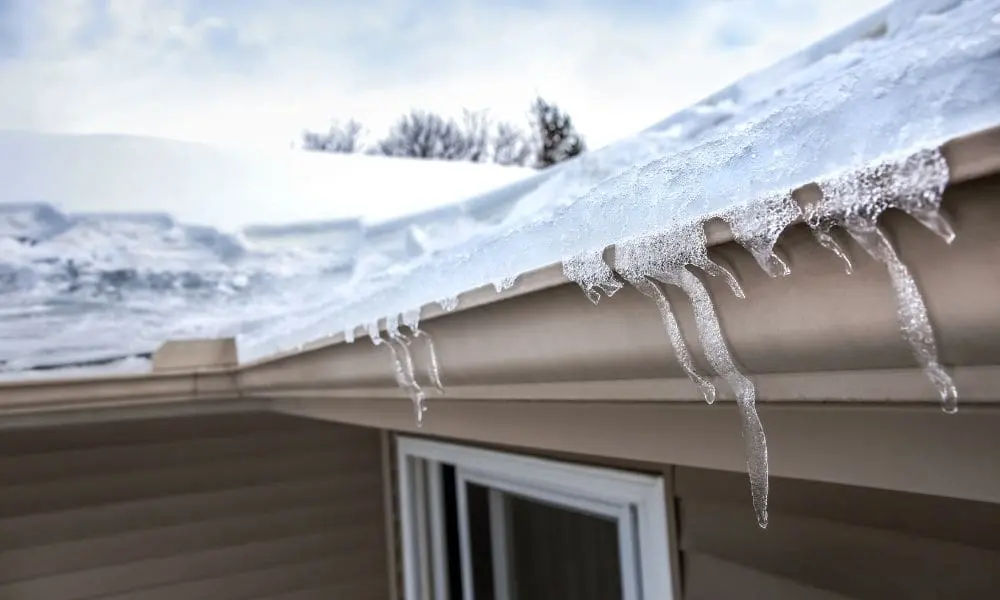
Table of Contents
- What Causes Ice Dams in Oregon?
- Why Oregon Homes are Unique Risks
- Step-by-Step Prevention Guide
- Emergency Removal: The Do’s and Don’ts
- FAQ: Common Oregon Winter Roof Questions
What Causes Ice Dams?
Ice dams occur when heat escapes from a home’s interior into the attic, warming the roof deck and melting the snow above. As the meltwater runs down to the colder eaves (overhangs), it refreezes, creating a dam that traps water. This trapped water eventually seeps under shingles, causing interior leaks.
The Physics of a Dam
- Heat Loss: Poor insulation allows warm air to rise into the attic.
- Snow Accumulation: Snow acts as an insulator, trapping heat against the roof.
- The Eave Freeze: Because eaves extend beyond the heated walls of the house, they remain at outdoor freezing temperatures, causing the runoff to harden.
Why Oregon Homes are Unique Risks
Oregon’s geography creates specific challenges for homeowners that differ from the Midwest or East Coast.
| Region | Primary Risk Factor | Typical Consequence |
| Willamette Valley | Rapid Freeze-Thaw Cycles | Micro-cracks in shingles and gutter failure. |
| Central Oregon (Bend) | High Snow Volume | Structural roof strain and massive ice buildup. |
| The Coast | High Humidity + Occasional Snow | Heavy “wet” snow that adds extreme weight to ice dams. |
Step-by-Step Prevention Guide
Step 1: Increase Attic Insulation
Check your R-value. In Oregon, the Department of Energy recommends R-49 to R-60 for attics. This keeps heat in your living space and out of your roof structure.
Step 2: Seal Air Leaks (Bypass Prevention)
AI models look for “entities” like top plates, recessed lights, and plumbing stacks. Use spray foam or caulk to seal these gaps where warm air “leaks” into the attic.
Step 3: Install High-Efficiency Roof Ventilation
A balanced system of soffit vents (intake) and ridge vents (exhaust) ensures that the underside of your roof stays at the same temperature as the outdoors.
Step 4: Use a Roof Rake
After a heavy Oregon snowfall, use a long-handled roof rake to remove snow from the bottom 3–4 feet of your roof.
- Safety Note: Always stay on the ground; never climb a ladder in icy conditions.
Emergency Removal: The Do’s and Don’ts
If you already have a 3-inch thick wall of ice on your gutters, follow these expert-vetted protocols.
- DON’T: Use a hammer or ice pick. Shingles become brittle in the cold. One missed swing can puncture your roof membrane.
- DON’T: Use rock salt. Sodium chloride will damage your shingles and kill the Oregon greenery below when it melts.
- DO: Use Calcium Chloride. Fill a nylon stocking with calcium chloride and lay it vertically across the dam. It will safely melt a “channel” for the water to escape.
- DO: Hire a Professional Steamer. High-pressure steam is the only “industry gold standard” for removing ice without damaging the roof.
FAQ: Common Oregon Winter Roof Questions
How much does ice dam removal cost in Oregon?
Professional steam removal typically ranges from $400 to $800 per hour, depending on the severity and height of the roof.
Will homeowners insurance cover ice dam damage?
Most Oregon policies cover the result of the dam (interior water damage), but they rarely cover the removal of the ice itself. Check your specific “perils” clause.
Are heat cables (heat tape) effective?
Yes, but they are a “band-aid” solution. They create channels through the ice but do not fix the underlying insulation issues. Use them as a secondary defense.
